The Surprising Sustainability of Alpaca Farming
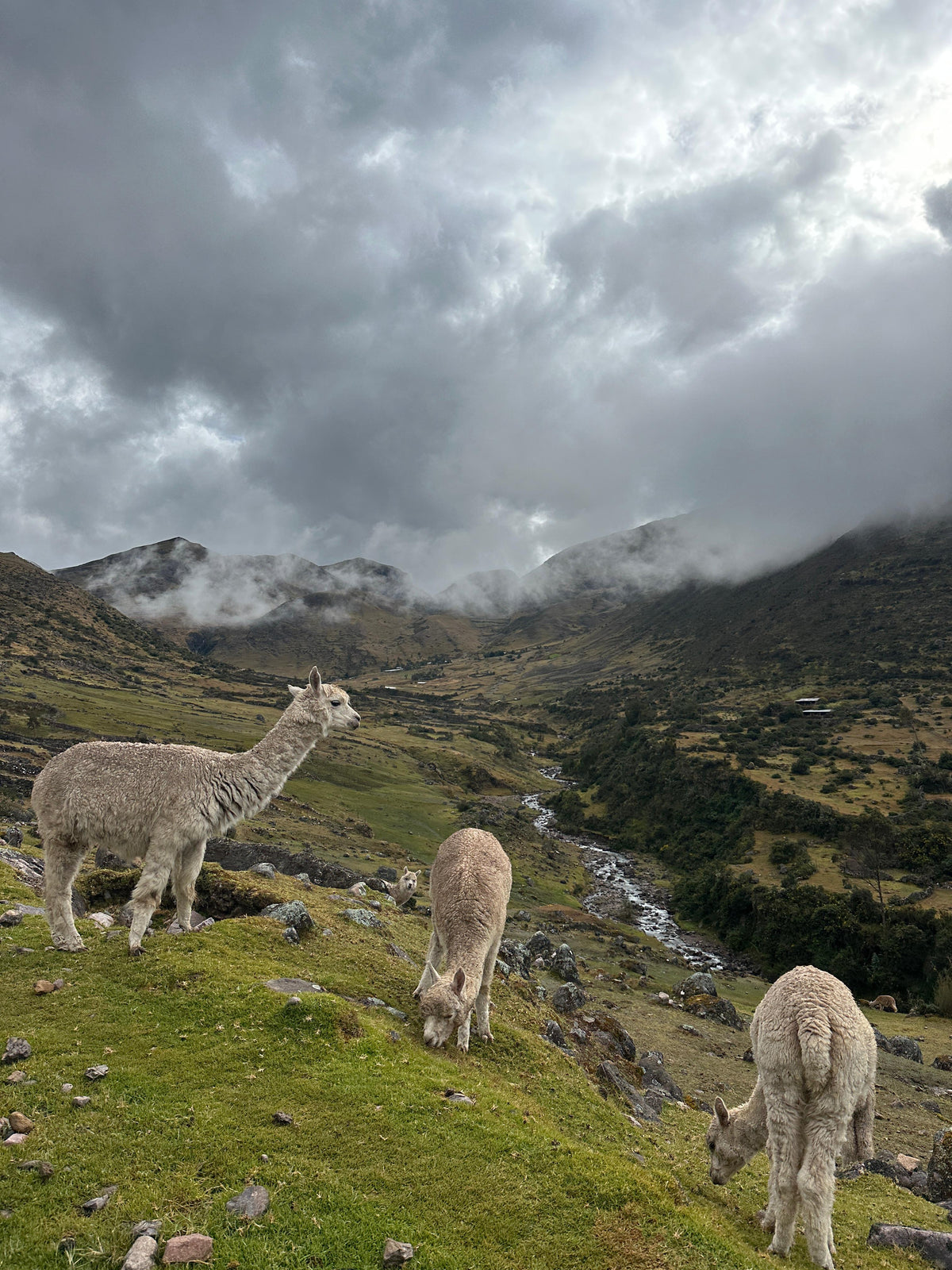
When most people think of sustainable fashion, alpacas aren't generally the first thing that comes to mind. But tucked away in the highland farms of Peru, Bolivia and increasingly North America and Europe, the alpaca has quietly been doing sustainability better than almost anything else in the textiles world for thousands of years, and here are some of the reasons why.
Remarkably Low Water Use
Alpaca don't need much water to survive. They evolved in the high altitude Andes where resources are scarce and conditions can be extreme, so their bodies are incredibly efficient. They consume far less water per pound of fibre produced than cotton or sheep.
Cotton requires roughly 10 000 litres of water to produce just one kilogram of fibre, where alpaca farming doesn't even come close to that level of demand - making it a much kinder choice in regions where water scarcity is a growing concern.
No Chemicals Required
Alpaca fibre is naturally hypoallergenic and lanolin free, meaning it doesn't need the heavy chemical sourcing process that wool does to remove grease before it can be used. Fewer chemicals in processing means less runoff, less pollution and a cleaner supply chain from farm to finished product.
Many small alpaca farms also graze their herds without pesticides or herbicides as alpacas are not as vulnerable to parasites as other livestock and don't require the same level of chemical interventions to stay healthy.
A Near Zero Waste Fibre
When an alpaca is shorn almost all of the fibre can be used. The finest, softest fibre from the neck and blanket area becomes premium yarn and textiles, whilst the coarser fibres get used for rugs, insulation and stuffing.
This is a stark contrast to synthetic fibres like polyester or nylon which shed microplastics with every wash and take hundreds of years to break down in landfills.
Carbon Footprint? Smaller than you might think
Alpacas produce significantly less methane than cows and sheep - a major factor in livestock's contribution to greenhouse gas emissions. Combined with the low input nature of their farming, alpaca fibre has a relatively modest carbon footprint compared to most other natural and synthetic textiles - largely due to their need for less feed, less water and less chemical intervention.
Supporting Indigenous Communities
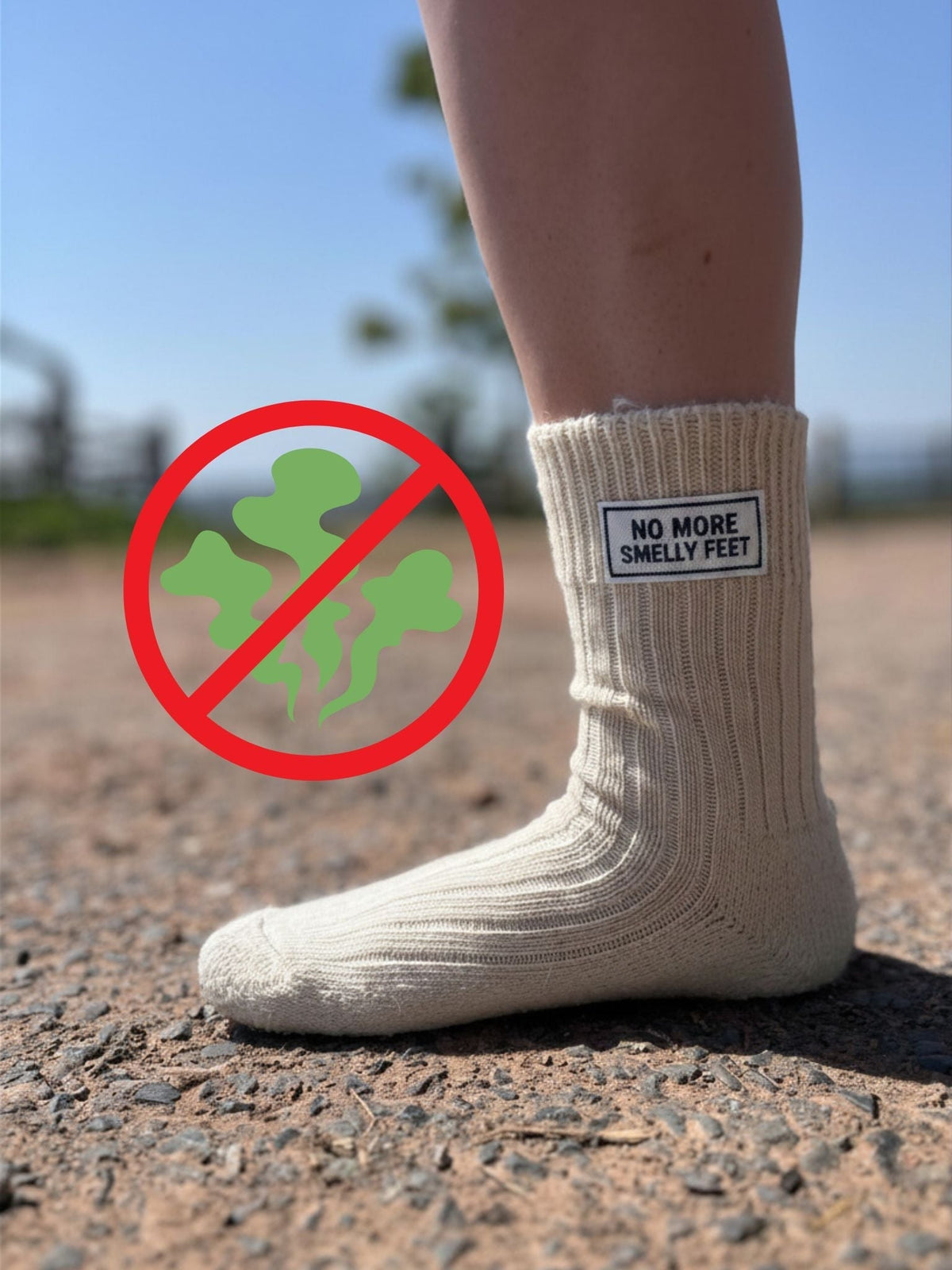
Sustainability is not just environmental, it is also social. Alpaca farming has been central to Andean culture for over 5000 years. When you buy responsibly sourced alpaca products (like the yarn used to create our socks), you are often supporting small Indigenous family run farms that have preserved traditional shearing and spinning practices across generations.
They're gently on the Earth
Alpacas have soft, padded feet instead of hard hooves, which makes a significant difference as their feet don't churn up soil or destroy root systems in the same way goats, sheep and cows can. They graze lightly, cropping grass rather than pulling it out by the roots, which means the pastures recover quicker and erosion stays low.