Why your feet sweat (and what the right sock actually does about it)
Nobody likes to talk about sweaty feet. But your feet sweat most of the time whether you notice it or not. It is not a hygiene problem, it is actually one of your body's most impressive systems at work. The real question though is not WHY your feet sweat, but it is whether what you are putting on them is helping or making it worse.
Here is a number that tends to surprise people - your feet have approximately 250 000 sweat glands. This means more sweat per inch than almost anywhere else on your body. On average your feet can produce up to half a pint of sweat a day. This isn't a design flaw. Sweating is how your body regulates temperature and keep skin supple. The problem is modern footwear traps all of that moisture with nowhere to go - and that is where your choice of socks becomes genuinely important.
What happens when moisture gets trapped?
Blisters. Moisture softens skin and increases friction. If you have ever come home from a long walk with blisters, trapped sweat is likely part of the reason.
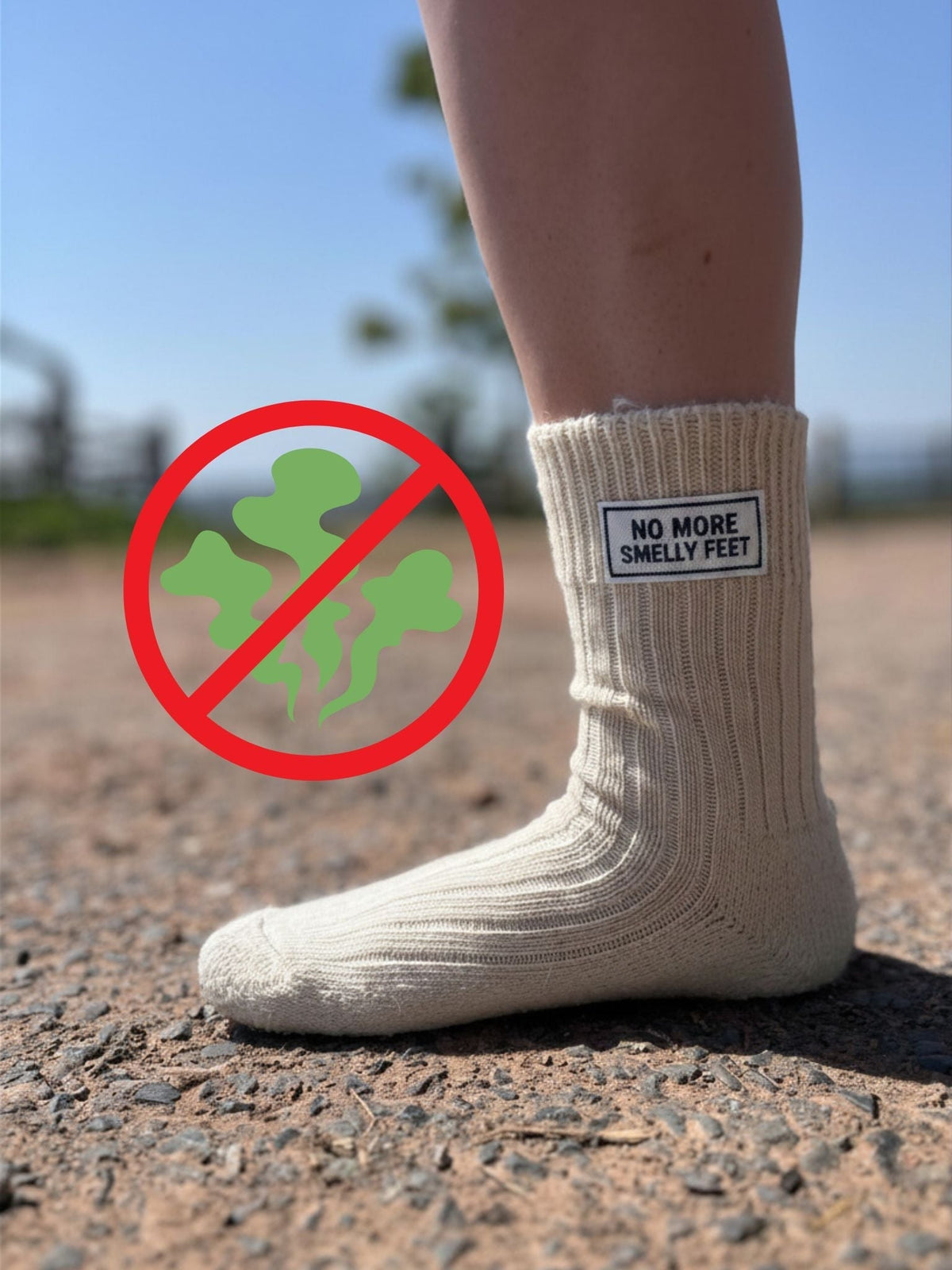
Odour. Sweat itself is actually odourless. The smell comes from bacteria that thrives in warm, moist environments. A sock that holds moisture is creating the perfect breeding ground for odour causing bacteria.
Athlete's foot and fungal infections. Fungi love the same environment as bacteria, dark, warm and damp. Prolonged moisture trapped against the skin dramatically increases the risk of infection.
Cold feet. This one surprises a lot of people. Wet feet lose heat up to 25 times faster than dry feet. So if your feet are always cold despite wearing thick socks, the moisture retention could be the reason for this.
What a good sock actually does - Alpaca socks in particular
Wicking. Pull moisture away from your skin and move it towards the outer layer of the sock where it can then evaporate. This is the most important function and one that cheap socks almost always fail to do.
Breathability. Allow airflow so that evaporation of moisture can actually happen. A sock that wicks but does not breathe is like mopping a floor and putting the bucket in the corner,
Temperature Regulation. Keeping your feet in a comfortable range whether you are sitting at a desk, climbing a mountain or standing on a cold floor. Alpaca fibre does this dynamically, responding to changes in temperature and activity.
Cushioning and friction reduction. Protection of the most vulnerable spots, particularly the heel and ball of the foot.
Why cotton is the worst offender
Cotton is soft, cheap and easily accessible which is why it is used for so many socks. BUT for foot health it has one big flaw - it absorbs moisture and holds on to it.
Cotton can absorb up to 27 time its weight in water - once it is wet it stays wet. That means a cotton sock that has been on your feet for a few hours is no longer wicking anything, it is just holding a reservoir of sweat against your skin.
Where alpaca fibre changes the game
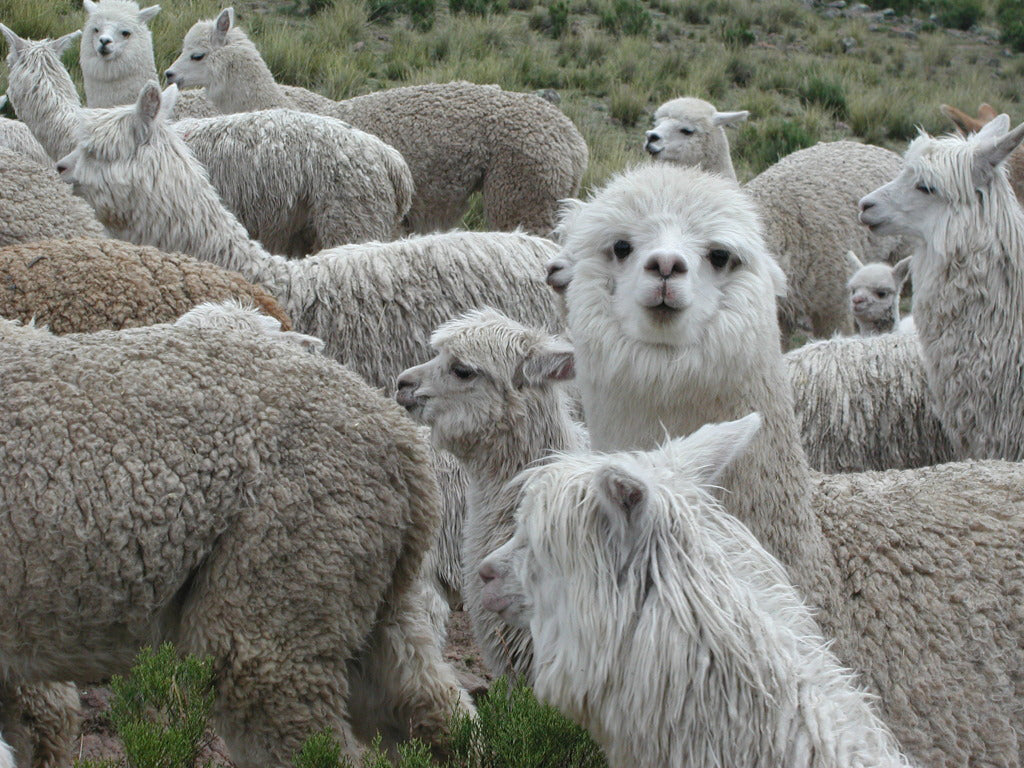
Alpaca fibre works differently to cotton, and most wool. The structure of alpaca fibre includes tiny air pockets that trap warmth and allow moisture vapour to pass through. This is why alpaca socks can keep feet warm in cold conditions whilst also preventing clamminess, and keep them cool in warm conditions by allowing sweat to evaporate through.
Alpaca fibre is naturally antimicrobial. It resists the bacterial growth that causes odour meaning your socks stay much fresher for longer.
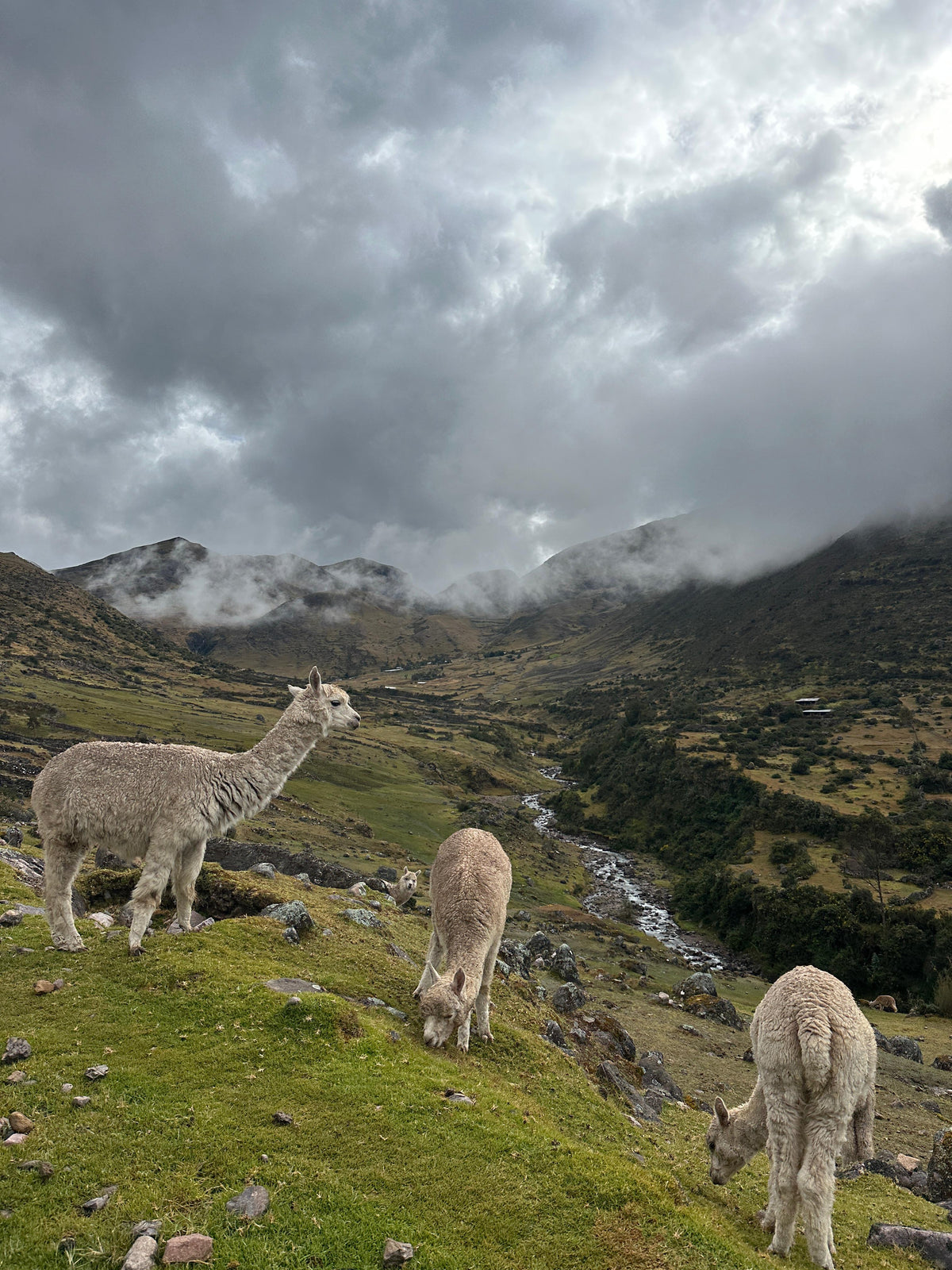
It is also temperature adaptive. Alpacas evolved in the Andes where temperatures swing wildly between day and night so their fibre is designed to handle both ends of the spectrum effectively.